





Microsystems, Mirrors and Magic Points
Practical Point Strategies from Head to Toe
This is fun and interesting class surveying microsystems, mirror imaging and effective point collections from the head to toes that immediately can be applied to clinic.
Course Overview
This engaging and clinically focused class surveys the fascinating world of acupuncture microsystems, mirror imaging, and highly effective point collections spanning the body from head to toe. Participants will explore practical strategies that can be immediately integrated into daily clinical practice.
The course introduces the foundational theory behind microsystems and mirror imaging, helping practitioners understand how localized representations of the body can be used to expand diagnostic and point-selection options. Relevant research and clinical reasoning will be reviewed to address common questions about how microsystem approaches can be combined with traditional body acupuncture.
Drawing from Chinese, Japanese, and Korean traditions, this class presents a broad survey of microsystems including the head, scalp, face, neck, ear, eye, abdominal, arm, leg, and foot systems. Emphasis is placed on clear anatomical relationships, functional mapping, and efficient point combinations that support confident clinical decision-making.
In addition to established systems, the instructor will share favorite point selections and practical insights developed through years of clinical experience. The result is a dynamic, informative session designed to expand clinical flexibility, deepen understanding of microsystem theory, and provide immediately usable tools for everyday practice.
Objectives
-
Describe the foundational principles of acupuncture microsystems and mirror imaging, including how somatotopic relationships are used to guide point selection.
-
Identify major microsystem locations from Chinese, Japanese, and Korean traditions, including head, scalp, face, neck, ear, eye, abdominal, arm, leg, and foot systems.
-
Explain how microsystem approaches can be integrated with traditional body acupuncture using clinical reasoning and pattern recognition.
-
Apply mirror imaging relationships and commonly used point collections to support efficient clinical decision-making across a range of patient presentations.
-
Analyze relevant research and clinical literature related to microsystems in order to support safe and informed clinical practice.
Outline
0 hrs - 30 min
Mechanisms of microsystems
30 min - 45 min
General point selection and theory
45 min - 1 hrs
Scalp systems
1 hrs - 1.25 hrs
Face systems Eye, ear, nose
1.25 hrs - 1.5 hrs
Abdominal systems
1.5 hrs - 1.75 hrs
Hand and foot systems
1.75 hrs - 2 hrs
Special points and combinations
Teacher
Cameron Bishop
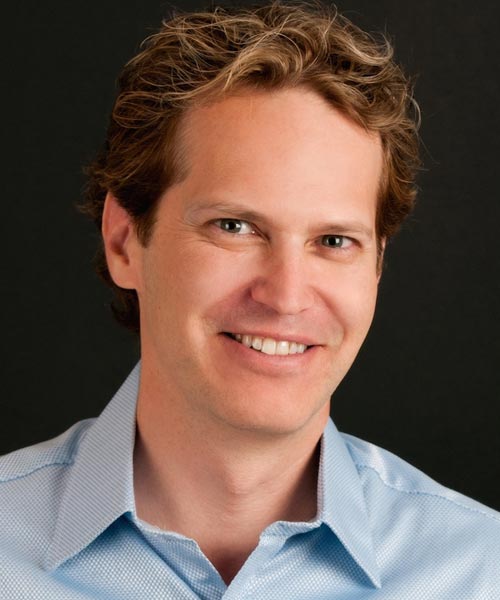
Dr Cameron Bishop lived, worked and studied in Japan for four years. He has been practicing over 30 years in South Florida. His teaching philosophy is simple: provide clear, practical tools that practitioners can begin using in the clinic the very next day.
Disclaimers
Please read these important disclaimers before purchasing:
...

-
CEUs:
Approved By: Standard Certificate (2), NCCAOM (2), Florida (2)
Pending: California [Upon Request]*
-
Language: English
-
Course Type: Recorded Webinar
-
Course Length: 2 h
-
Course Notes: Notes are provided with this course.
-
Access Period: Lifetime